
Is Aminopropyl Ascorbyl Phosphate the Secret to Long-Lasting Antioxidant Protection?
What Is Aminopropyl Ascorbyl Phosphate?
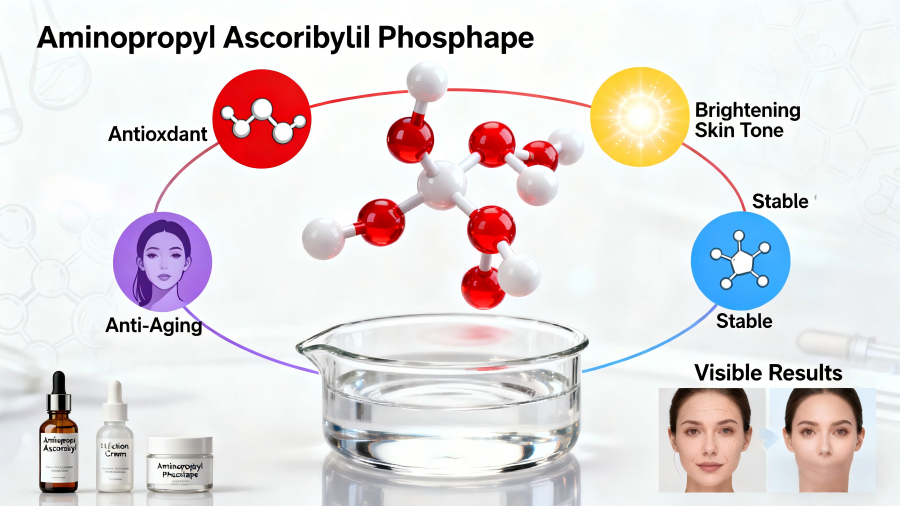
Aminopropyl Ascorbyl Phosphateis a water-soluble derivative of Vitamin C, created by modifying L-ascorbic acid with a 3-aminopropyl dehydrogen phosphate group. This structural change addresses two critical limitations of pure vitamin C:stability and skin absorption. Unlike its parent compound, which degrades within hours in solution, AAP remains potent even when exposed to heat, light, or air. A 1% AAP solution, for example, shows no discoloration after 30 days at 50°C—a test that would render pure vitamin C completely ineffective .
But stability isn’t its only advantage. AAP is enzymatically converted into active vitamin C within the skin, ensuring targeted delivery where it’s needed most. Pure vitamin C requires a very low pH (below 3.5) to penetrate the skin barrier, which often irritates Sensitive Skin. AAP, by contrast, works effectively in a broader pH range (5.5–6.0)—matching the skin’s natural acidity and making it suitable for all skin types .
Key Benefits: Beyond Basic Antioxidant Protection
- Superior Stability for Long-Lasting Efficacy
The biggest selling point of AAP is its resistance to oxidation. While pure vitamin C starts degrading as soon as a product is opened, AAP maintains its potency for months—even in water-based formulations . This stability means products containing AAP deliver consistent results from the first use to the last drop, eliminating the frustration of ineffective “expired” vitamin C serums.
- Multifaceted Anti-aging Effects
Clinical research shows AAP goes beyond antioxidant protection to target multiple signs of aging. A study of 33 participants using a 0.5% AAP formula found a 23% reduction in wrinkles after 8 weeks, along with a 29–33% decrease in age spots and hyperpigmentation . These results stem from AAP’s ability to stimulate collagen production—critical for maintaining skin firmness—and inhibit melanin synthesis, which fades dark spots .
- Gentle Yet Potent for Sensitive Skin
Unlike pure vitamin C, which can cause redness or stinging, AAP is well-tolerated even by sensitive skin . Its mild formulation makes it ideal for daily use, whether in morning routines (paired with sunscreen) or evening regimens. Additionally, AAP offers anti-inflammatory benefits, helping to reduce redness and irritation .
- Enhanced UV Protection
While not a substitute for sunscreen, AAP complements UV defense. When used alongside SPF, it creates a dual defense system: sunscreen blocks direct UV rays, while AAP neutralizes free radicals generated by sun exposure .
Research Backing: Studies That Prove Efficacy
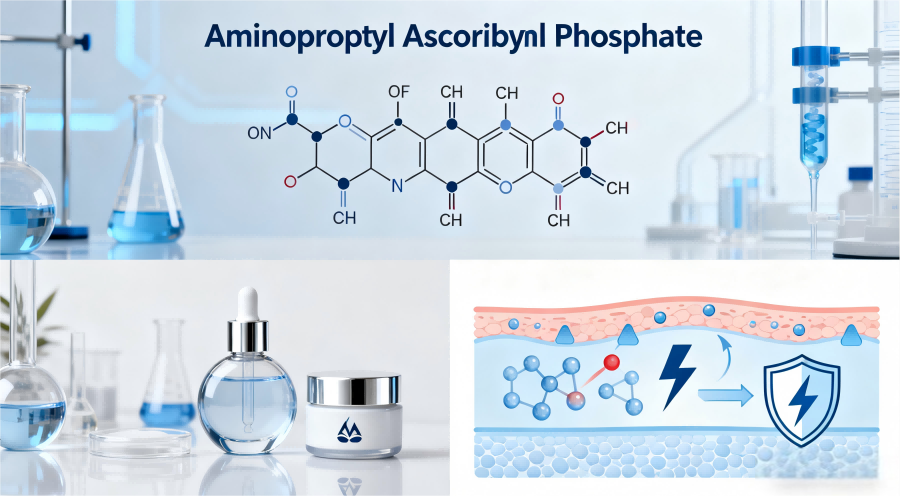
Benchchem’s chemical analysis confirms AAP’s radical scavenging efficiency, noting its lower bond dissociation energy compared to pure vitamin C—meaning it neutralizes free radicals more effectively .
Cosmetics industry research identifies AAP as a top candidate for high-concentration vitamin C products, as its stability allows formulators to use higher doses without degradation .
Clinical observations published on Guidechem.com show AAP effectively treats liver spots, freckles, and age-related pigmentation by inhibiting tyrosinase reactions—key steps in melanin production .
Cosmetic Applications: Where You’ll Find AAP
- Serums: High-concentration AAP serums are popular for targeted brightening and anti-aging, often paired with hyaluronic acid or botanical extracts for added hydration .
- Moisturizers: Daily moisturizers with AAP provide ongoing antioxidant protection and collagen support, suitable for long-term use.
- Sunscreens: Some sun care products incorporate AAP to boost UV defense and counteract free radical damage from sun exposure .
- Brightening Treatments: Products targeting hyperpigmentation, such as dark spot correctors, rely on AAP’s melanin-inhibiting properties .
- Base Makeup: Foundations and primers may include AAP for subtle brightening and antioxidant benefits throughout the day .
Formulators also value AAP for its compatibility with other ingredients. Unlike pure vitamin C, which can react with retinol or niacinamide, AAP works well in multi-active formulations—supporting popular routines like “morning C, evening A” . Recommended usage levels range from 0.1% to 1%, making it easy to incorporate into both gentle and potent products .
Usage Recommendations: Maximize AAP’s Benefits
- Opt for Morning Application (With Sunscreen)
AAP shines as a morning antioxidant, as it neutralizes free radicals generated by UV rays, pollution, and blue light (from screens) throughout the day . Apply AAP serums or moisturizers after cleansing and toning, then layer with a broad-spectrum SPF 30+ sunscreen. This combination amplifies UV protection—sunscreen blocks direct rays, while AAP tackles residual free radical damage. Avoid skipping sunscreen: even stable AAP cannot replace SPF, and unprotected sun exposure will undo its brightening and anti-aging effects.
- Start Slow for Sensitive Skin (Even Though It’s Gentle)
While AAP is milder than pure vitamin C, those with extremely sensitive or reactive skin (e.g., eczema, rosacea) should still introduce it gradually. Begin with 2–3 times per week, applying a pea-sized amount to clean skin. If no irritation (redness, itching) occurs after 1–2 weeks, increase to daily use. This helps the skin adapt to the ingredient, even if it’s low-irritant.
- Pair With Complementary Ingredients (Avoid Conflicts)
AAP’s stability makes it easy to pair with other skincare staples—here’s how to build effective routines:
Hyaluronic Acid: Layer AAP serum under hyaluronic acid moisturizer to boost hydration. AAP’s brightening effects pair well with hyaluronic acid’s plumping benefits, creating a “glowy skin” combo .
Retinol/Retinoids: Use AAP in the morning and retinol at night. This classic “morning C, evening A” routine targets aging from multiple angles (collagen boost, cell turnover) without the risk of irritation that comes from mixing pure vitamin C and retinol .
Niacinamide: Unlike pure vitamin C, AAP is compatible with niacinamide. Mixing them (e.g., AAP serum + niacinamide moisturizer) enhances brightening and barrier repair—ideal for dull, uneven skin .
Avoid pairing AAP with highly acidic ingredients (e.g., glycolic acid, salicylic acid) in the same routine, as excessive acidity may disrupt AAP’s pH balance (it works best at 5.5–6.0). If using acids, alternate days (e.g., AAP on Mondays/Wednesdays/Fridays, acids on Tuesdays/Thursdays/Saturdays).
- Store Products Properly (Preserve Stability)
While AAP is more stable than pure vitamin C, proper storage still extends its lifespan. Keep AAP products in opaque, airtight containers and store them in a cool, dark place. Avoid leaving bottles open for long periods when applying, and always recap tightly. Most AAP products remain potent for 6–12 months after opening, but check the manufacturer’s expiration date for guidance.
The Verdict: Is AAP Worth the Hype?
For anyone seeking consistent, long-lasting antioxidant protection without the drawbacks of pure vitamin C, Aminopropyl Ascorbyl Phosphate is a game-changer. Its superior stability, gentle formulation, and multifaceted benefits address the most common complaints about vitamin C products. While more large-scale clinical studies are needed to fully establish its long-term effects, existing research and real-world use confirm it as a reliable ingredient for brightening, anti-aging, and UV protection .
- Name: Yuki
- E-mail: sales02@nahanutri.com
- WhatsApp:+8618066950297